
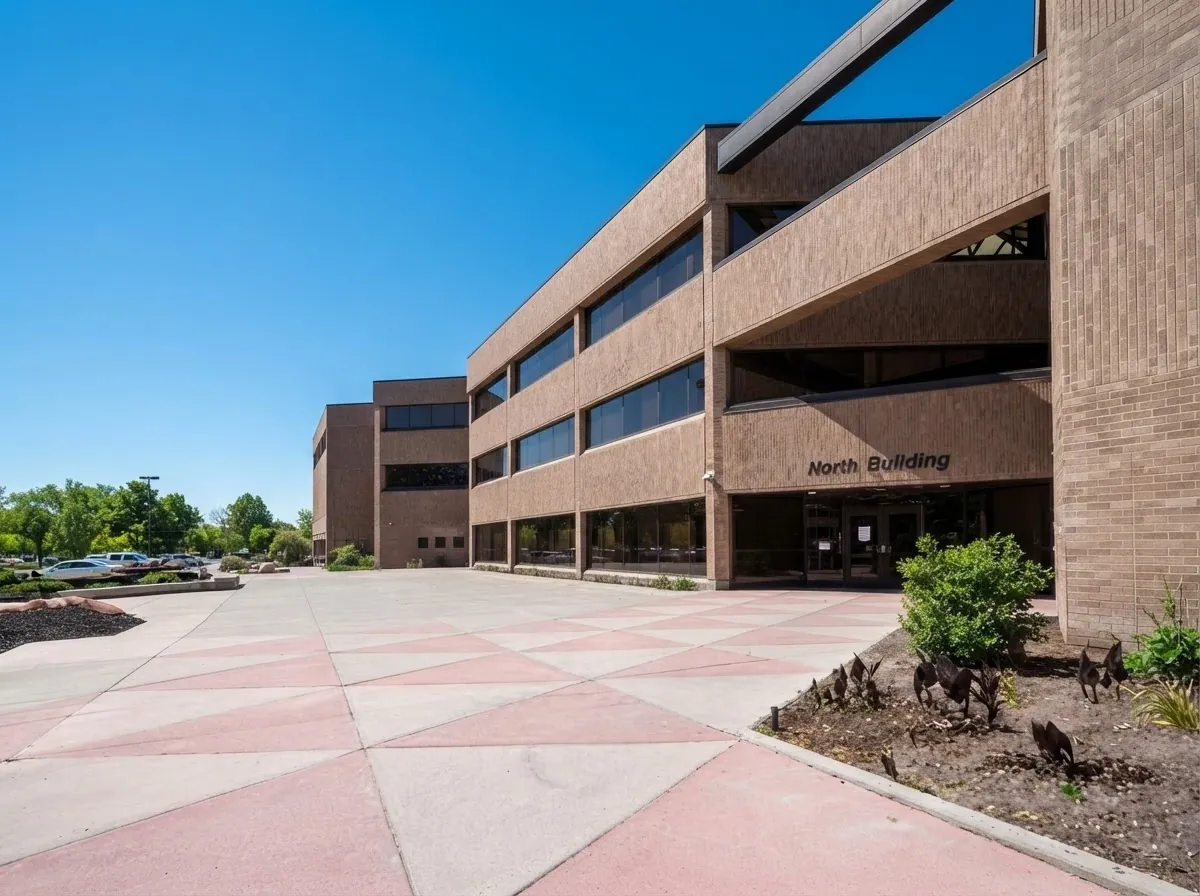
Court records in Salt Lake County, Utah, are maintained by the district court clerk's office and are accessible through online tools, official court portals, and directly at the clerk's office. SaltLakeCourt.us will help you find publicly available information about court cases. Additionally, residents can use the Xchange portal of Utah state courts, call the Third District Court at (801) 238-7300, or visit the clerk's office in person. Archival materials are kept by the Utah Division of Archives and Records Service.
Salt Lake Court System Overview
Salt Lake County is part of the Third Judicial District of Utah. This judicial district also includes Summit and Tooele counties. The Third District Court is the largest district court in the state, and it is here that the vast majority of cases for Salt Lake County residents are heard.
The district court of general jurisdiction hears criminal, civil, family, and probate cases. Justice courts, which operate at the municipal level, handle minor offenses and traffic cases. The federal district court for the District of Utah is also located in Salt Lake City.
Third District Court — Salt Lake City Courthouse
Courts Serving Salt Lake
Residents of Salt Lake County have access to several judicial institutions of various levels of jurisdiction.
State Courts
Third District Court
Salt Lake City Justice Court
In addition to the Salt Lake City Justice Court, justice courts operate in West Valley City, West Jordan, Sandy, Murray, South Jordan, and other municipalities within the county. Each handles cases arising within its respective city.
Federal Courts
U.S. District Court for the District of Utah
U.S. Bankruptcy Court for the District of Utah
To obtain copies of federal court documents, you can use the instructions on the federal court's website.
What Types of Cases Salt Lake Courts Hear
The courts serving Salt Lake County hear a wide range of cases. Below are the main categories — a detailed description of each is provided in the following sections.
- Criminal cases: felonies, misdemeanors, infractions
- Civil disputes: claims of any amount, including small claims
- Family law: divorce, custody, alimony, protective orders
- Probate cases: estate management, guardianship, conservatorship
- Juvenile matters: offenses, child protection, adoption
- Traffic violations and DUI
District Court Cases in Salt Lake
The Third District Court is the court of general jurisdiction for Salt Lake County. It handles serious criminal cases after a preliminary hearing in justice court or after direct indictment. Civil cases with claims exceeding the jurisdictional limit of the justice court are also heard here.
The court hears appeals from justice court decisions. Cases are assigned to judges according to an internal schedule. Post-trial proceedings — motions for sentence review or expungement — are also filed with the district court. To find out the status of a specific case, refer to the district attorney's page or use the Xchange portal.
Magistrate Court Cases in Salt Lake
In Utah, justice courts perform the functions of magistrate judges. They handle class B and C misdemeanors, infractions, as well as traffic violations and DUI cases at the charging and hearing stages. Preliminary hearings in felony cases also begin in justice court.
Civil cases with claims up to $11,000 fall under the jurisdiction of the justice court. Small claims are limited to $11,000. The Salt Lake City Justice Court handles a significant number of cases due to the city's large population; some judges specialize in specific categories — for example, DUI or traffic cases.
Family Law, Probate, and Juvenile Matters in Salt Lake
Family Law
Cases involving divorce, child custody, alimony, paternity, protective orders, and termination of parental rights are heard by the Third District Court. To file for divorce, you must complete the appropriate forms, including a certificate from the state's Department of Health. Detailed information and forms are available on the divorce page on the Utah State Courts website.
Probate Cases
Estate management, the appointment of guardians and conservators, and trust matters fall under the jurisdiction of the district court. Historical probate cases for Salt Lake County are indexed in the Third District Court archive.
Juvenile Matters
The juvenile court — a separate division of Utah's judicial system — handles juvenile offenses and child protection cases. Juvenile court records are confidential under state law. The juvenile court for the Third District is located in Salt Lake City.
How Cases Move Through the Salt Lake Court System
- Filing a Case. A criminal case begins with a complaint or indictment; a civil case starts with a complaint or petition.
- Judge Assignment. The court clerk's office assigns the case to a specific judge according to internal rules.
- Initial Hearing. In criminal cases — arraignment (reading of charges and defendant's plea). In civil cases — scheduling conference.
- Pre-trial Stage. Parties exchange evidence (discovery), file motions. In criminal cases, plea negotiations may occur.
- Trial or Resolution. The case concludes with a jury verdict, judge's decision, settlement, or guilty plea.
- Post-Decision. Sentencing, filing an appeal, or enforcing the court's decision.
Court Administration, Local Rules, and Public Access in Salt Lake
The administrative judge of the Third Judicial District coordinates the work of the county's courts. The trial court administrator is responsible for daily management, scheduling, and staffing.
Local court rules and administrative rules are available on the official Utah State Courts website. Rule 4-202.02 of the Utah Code of Judicial Administration defines which court records are public and which are restricted or confidential. Since April 2012, some records in civil cases have become private.
Public access to records is also governed by the Government Records Access and Management Act (GRAMA). Requests for public records in Salt Lake County can be submitted through the NextRequest platform.
Hearings are generally open to the public. The Third District Court offers the possibility of remote participation in some hearings — check the procedure by calling (801) 238-7300.
Court Records and Related Court Resources in Salt Lake
- Online Case Search. The Xchange portal allows searching for case information from district and justice courts across the state. Registration is free, but a small fee is charged for viewing case details.
- Court Records and Publications. The Court Records page on the Utah State Courts website contains appellate court decisions and audio recordings of hearings.
- Archived Court Cases. The Utah Division of Archives maintains historical records of the Third District Court, including criminal and probate cases.
- Forms and Self-Help. Forms for self-filing lawsuits, divorce petitions, and other documents are published on the Utah State Courts website in the Self-Help section.
- Public Records Request. GRAMA requests to county institutions are submitted through the Salt Lake County portal. For police reports, contact the SLCPD — the cost of a report starts at $10.
- Criminal History. The Bureau of Criminal Identification at the Department of Public Safety processes requests for criminal history checks in Utah.
- Warrant Check. Free search is available on the Utah Statewide Warrants website.
- Inmate Search. The Salt Lake County Sheriff's Office provides an inmate search tool and publishes inmate rosters.
- Vital Records. Salt Lake County Vital Records issues copies of birth and death certificates, as well as extracts from marriage and divorce records. Full certified copies can be ordered through the Utah Office of Vital Records and Statistics.
- Property Records. The Recorder's Office of Salt Lake County maintains records of real estate transactions; public search is available through the online database.
- Crime Statistics. The Utah Department of Public Safety publishes interactive dashboards with crime data for the state.